Find the right part for your appliance at batshop
Home > Adapter > Mobile
Adapters

Compatible chargers for mobile

244 references for 208 brands. Choose the brand of your device, then its model.
By brand Find the part for your device
Order with peace of mind
  • 2-year warranty
  • 30 days to change your mind
  • Secure payment

Popular brands

The 208 brands

All brands

Complete your equipment

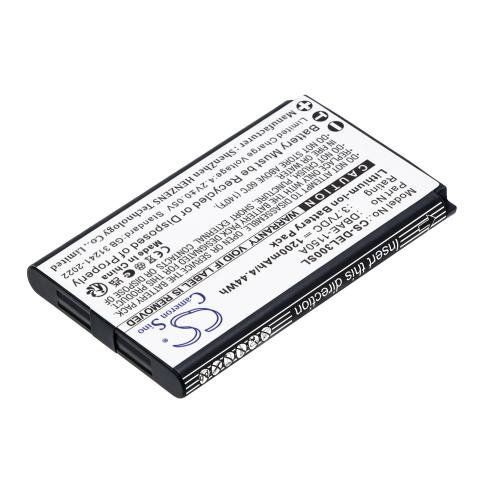
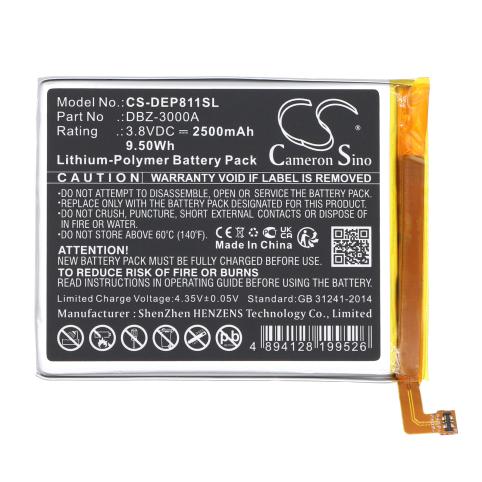
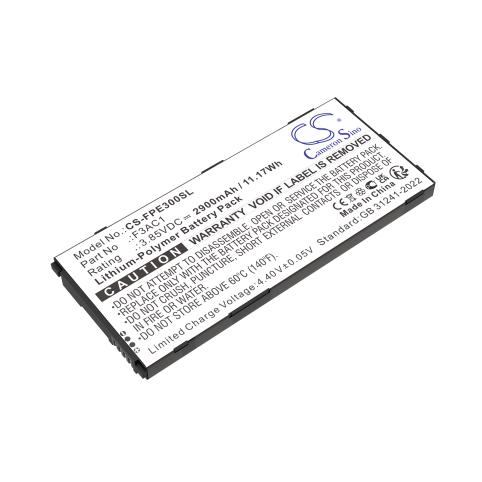
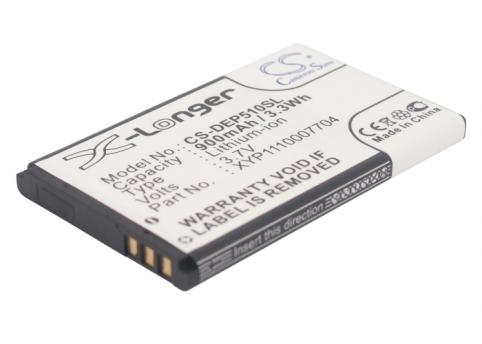
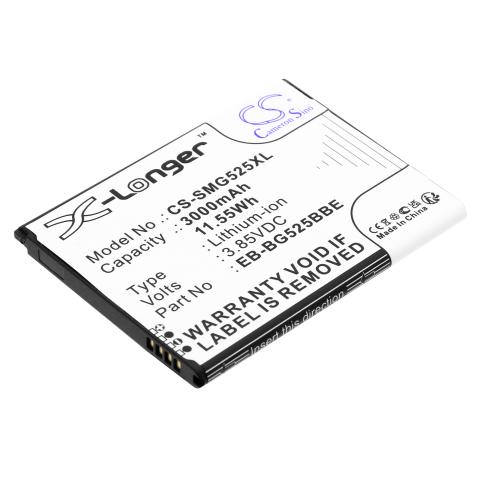
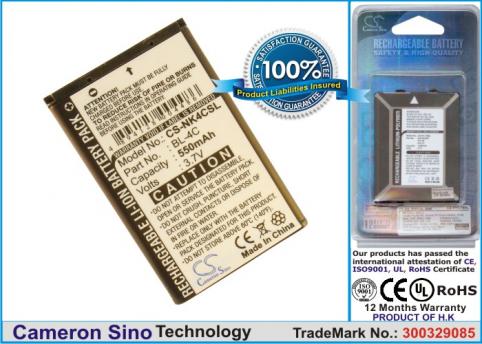
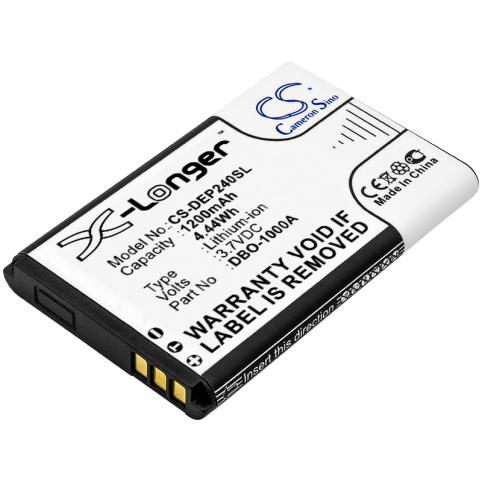
Best-selling batteries · mobile

See all
N°1
N°2
N°3
  • Tracked deliveryColissimo, Chronopost or collection point
  • Secure paymentCredit card, Apple Pay, Google Pay, PayPal
  • 2-year warrantyOn all new parts
  • 30 daysto change my mind

Bien choisir votre adapter · Mobile

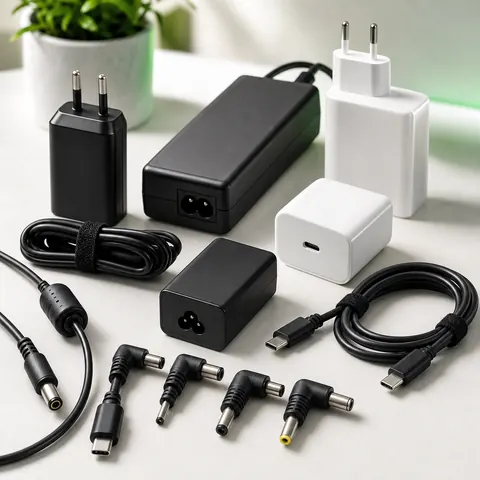
The smartphone has become a constant companion, at work and at home. To stay reachable, browse the internet or use your apps, one element remains essential: a suitable, reliable phone charger in good condition. On Batshop you’ll find mobile phone chargers that meet the needs of modern devices, whether you’re looking for a simple mains charger, a USB model, a car charger or one compatible with fast charging.
Read more

Even a recent phone will only perform at its best with the right charger. Understanding how the different types of chargers work and knowing a few basic rules lets you charge faster, more safely and without damaging the battery.

Understanding the main types of phone chargers

Modern chargers are based on two main operating principles:

  • Constant-voltage chargers (often called linear): they supply a stable voltage throughout the charging process. As the battery approaches full capacity and its internal voltage rises, the current delivered by the charger gradually decreases.
  • Constant-current chargers: they include more advanced circuitry (switch-mode circuits) that keeps the charging current at a set level. The output voltage then changes according to the battery’s state of charge.

In both cases, the aim is to provide efficient charging while limiting premature battery wear.

How to recognise a phone charger at the end of its life

A tired charger can cause charging cuts, abnormally long charging times or your smartphone to malfunction. Several warning signs should alert you:

  • Charging stops at a certain voltage: charging cuts out even though the battery is not yet full, without any particular message on the screen.
  • Cut-out linked to the current supplied: above a certain current level, the charger stops powering the phone, which leads to repeated charge interruptions.
  • Reduced battery life despite correct voltage: the measured voltage seems normal, but the battery empties quickly once unplugged.

The most advanced control systems use a microcontroller to monitor charging precisely and detect this kind of fault.

The main formats of mobile phone chargers

Depending on how you use your phone, several types of chargers may be useful:

  • USB mains charger: the most common, for everyday recharging at home or in the office.
  • Car cigarette lighter charger: essential for charging in the car, ideal if you drive frequently.
  • Pulse charger: some models use pulse charging, controlled by internal electronics, to better manage the battery’s charging and temperature.

Why replace an old phone charger?

Keeping an older charger “that still works” is not always the best option. Recent smartphones need more power than they used to, mainly because of larger screens, faster processors and intensive use (video, gaming, mobile data, etc.). A charger that is not powerful enough will greatly increase charging time.

In addition, some generations of phones compatible with fast-charging technologies such as Quick Charge will only fully benefit from these functions with a suitable charger. Ideally, choose a model whose maximum current (amperage) is at least equal to that indicated on your original charger, or higher, to shorten charging time. However, you should not use a charger that delivers a lower current than recommended.

Best practices to optimise charging for your smartphone

A few simple habits can speed up charging and protect both battery and charger:

  • Limit connections while charging: switching off Bluetooth, GPS, 3G/4G when you don’t need them reduces power consumption while the phone is plugged in. If you can do without calls and data for a few hours, flight mode further improves charging efficiency.
  • Avoid intensive use while charging: gaming, filming or running demanding apps while charging generates more heat and lengthens charging time.
  • Don’t rely on a computer USB port to save time: a USB port on a PC or laptop usually delivers a limited current (a few hundred milliamps), lower than that of a USB mains charger, which can supply around 1.5 A. Charging via a computer is therefore slower.

Precautions to protect your charger and battery

To extend the life of your equipment and limit risks:

  • Don’t overuse very high charging currents: although higher current can shorten charging time, excessively high currents can reduce the battery’s lifespan.
  • Favour moderate charging: gentle, steady, monitored charging is the most battery- and charger-friendly option.
  • Check compatibility: always make sure the charger’s voltage, current and connector match your phone’s requirements. An unsuitable charger can cause serious malfunctions and may present a risk of overheating or incident.

Choosing your phone charger on Batshop

On Batshop, every phone charger is listed with its key specifications (connector type, voltage, maximum current, recommended uses) to help you choose a model that’s compatible with your device and how you use it. You benefit from tracked delivery (Colissimo, Chronopost or collection point), secure payment (CB, Apple Pay, Google Pay, PayPal), a 2-year warranty on new parts and 30 days to change your mind.


Your basket

Your cart is empty
Service client
Notre équipe est disponible
Assistant virtuel
Bonjour, comment puis-je vous aider aujourd'hui?
Aujourd'hui