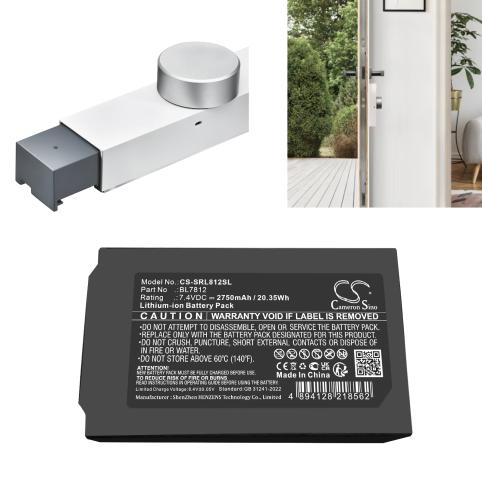
Bl7812 1241386
- 2750 mAh
- 7,4 V
79 references for 0 brands. Choose the brand of your device, then its model.
 Bestsellers
The most ordered items
of the 12,00 €
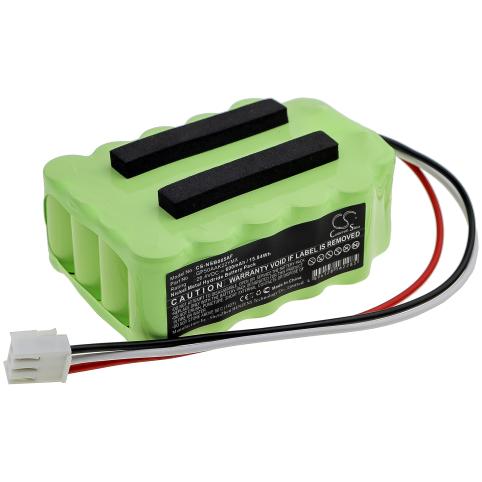
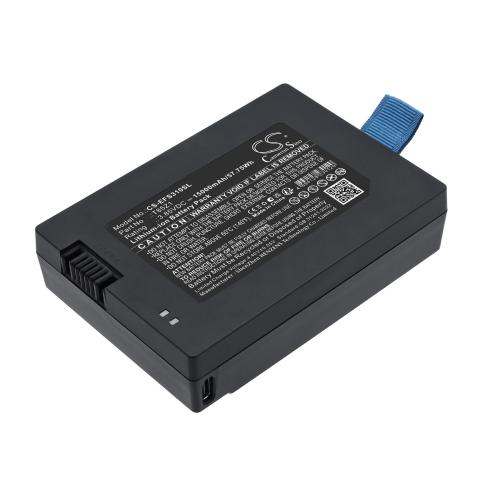
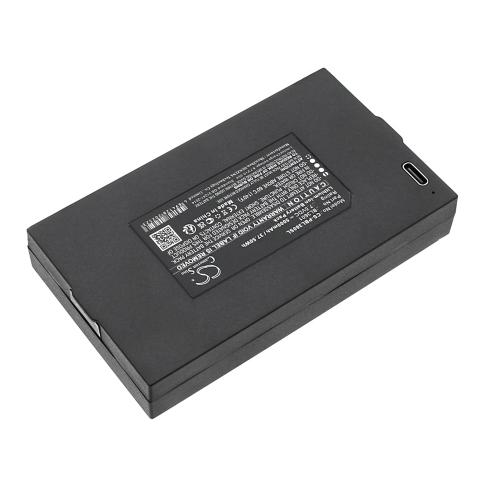
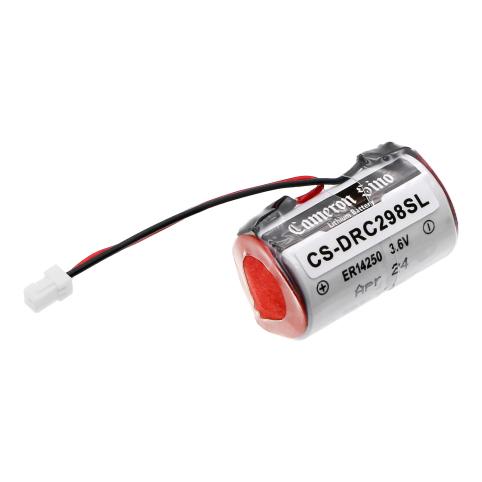
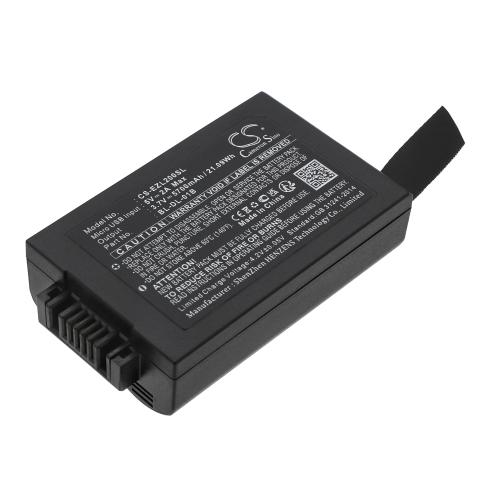
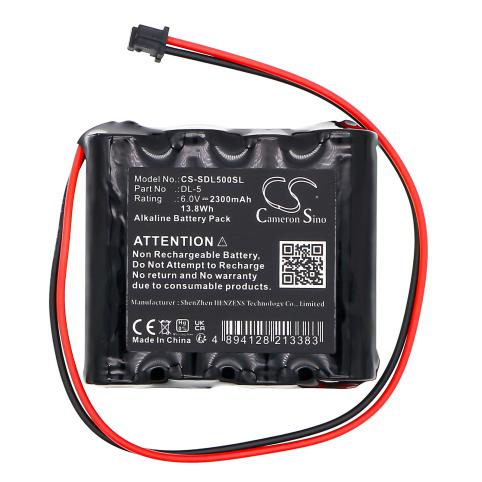
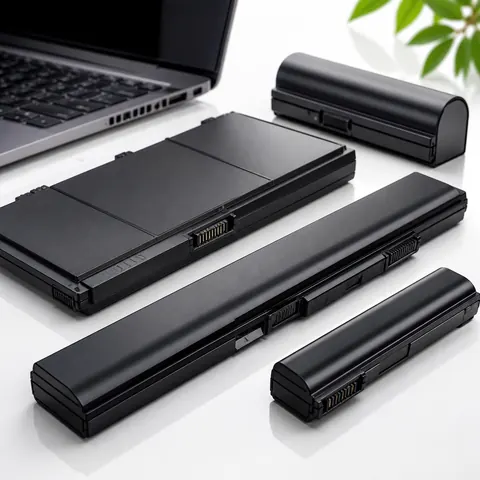
Over time and with repeated openings, the battery in your electronic lock loses capacity. The lock may then show low-battery warnings, work intermittently, or stop opening altogether: at that point, a replacement becomes necessary. On Batshop, you’ll find replacement models for many lock brands so you can extend the life of your installation without having to replace it entirely.
To choose the right battery, always start by noting down the exact reference of your lock or the original battery (label, manual, marking). Our range includes in particular replacement batteries compatible with locks and access control systems from the following brands:
Depending on the brand, several battery references may exist for similar lock models. By checking the technical details of the battery, you can confirm that the part you’ve chosen is the right match for your equipment.
Every lock battery has its own specifications. To avoid any mistakes, always compare the data shown on your original battery with the details on the Batshop product page. The key information to check is:
All this data can be found in the detailed description for each item. If in doubt, rely on several criteria at once (voltage, capacity, size and connector type) to confirm your choice.
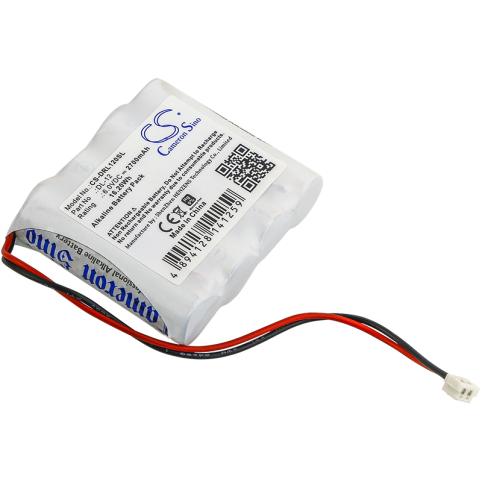
Batteries for electronic locks come in several technologies, each adapted to the original system:
Each battery is assembled from brand new electrochemical cells, to provide performance comparable to that of the battery originally supplied with the lock.
The lock batteries sold on Batshop are selected to meet current standards and deliver stable power to your locking devices. Several models include electronic protection designed to reduce the risk of overheating or overvoltage.
However, the actual lifespan of a battery will depend greatly on how it is used (number of openings/closings per day) and the environment. Frequent exposure to high temperatures speeds up capacity loss, while long-term storage in good conditions (dry, at a moderate temperature) helps preserve performance over time.

 Your basket
 EN
 Français
 Español
 Deutsch
 Italiano
 Nederlands